


An abdominal wall hernia is a condition in which internal organs protrude through this weak spot. A hernia usually occurs in the umbilical region, groin, and areas where surgical incisions are located. Abdominal wall hernias may present with symptoms such as pain, swelling, and a feeling of pressure. In some cases, the hernia can grow and negatively affect a person's quality of life. Abdominal wall hernia treatment If not done, it can lead to serious complications.
Is Surgical Abdominal Wall Hernia Treatment Necessary?
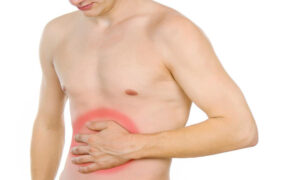
An abdominal wall hernia occurs when the internal organs protrude as a result of weakening of the muscles or tissues in the abdominal area. The need for surgical intervention in the treatment of a hernia varies depending on the size of the hernia, its symptoms, and the general health status of the patient. So, is surgical treatment always necessary?
Small and asymptomatic abdominal wall hernias can sometimes be monitored with a monitoring method. If such hernias do not cause pain and do not grow, doctors check the patient at regular intervals. In this way, they can observe the situation. However, this approach does not provide a permanent solution. If the hernia grows or causes pain, surgical intervention may be considered.
Surgical treatment of abdominal wall hernia reduces the risk of hernia complications. Hernias can grow and become compressed over time, causing a serious condition called strangulated hernia. In this case, blood flow to the organs is cut off and emergency surgery may be required. Due to such risks, surgical treatment is the most effective method for permanent hernia treatment.
Surgical treatment can be performed by open or laparoscopic methods. In open surgery, an incision is made in the area where the hernia is located, while in laparoscopic surgery, hernia repair is performed with small incisions. Laparoscopic surgery offers the advantage of a faster recovery time and less pain.
In conclusion, surgical treatment is a permanent solution to hernia and reduces the risk of recurrence. The most accurate decision on whether surgery is necessary will be made by a specialist. If you have symptoms of hernia, you should consult a specialist. Thus, you should evaluate the appropriate treatment option.
Surgical Abdominal Wall Hernia Treatment Methods
An abdominal wall hernia occurs when internal organs protrude through weakened muscles or tissues. Surgery is the most effective method for permanent treatment of a hernia. Abdominal wall hernia treatment The main surgical methods for are open surgery and laparoscopic surgery.
In the open surgery method, an incision is made in the area where the hernia is located. The hernia sac is pushed inward and the weakened area is repaired with stitches. In addition, a synthetic patch (mesh) can be used to strengthen this area. Open surgery is preferred in the treatment of large hernias and in complex cases. The recovery period after surgery varies depending on the size of the hernia and the patient's health condition.
Laparoscopic surgery is performed by making small incisions. Hernia repair is performed with a laparoscope (camera) placed in the abdomen. In this method, a patch is placed in the hernia area and the muscle wall is strengthened. Laparoscopic surgery offers advantages such as less pain, faster recovery time and shorter hospital stay. It also leaves smaller scars than open surgery.
Robotic surgery is an advanced version of the laparoscopic method. Hernia repair is performed delicately using robotic arms. This method increases the surgeon's mobility and reduces the risk of error.
Every surgery abdominal wall hernia treatment There are advantages and disadvantages to each method. The patient's hernia condition, general health status and the doctor's preferences are taken into consideration. Thus, the most appropriate surgical method is determined. The most appropriate step for the treatment of abdominal wall hernia is to consult a specialist general surgeon.
Conservative Abdominal Wall Hernia Treatment Methods
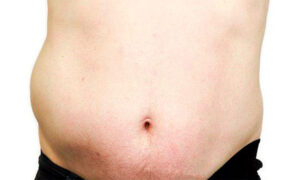
Abdominal wall hernia treatment surgical intervention provides a permanent solution. However, conservative treatment methods may be preferred for some patients. This treatment is an approach used for hernias that cannot be surgically applied or are small and asymptomatic. Conservative treatment does not completely eliminate the hernia. However, it helps relieve symptoms and improve quality of life.
A hernia corset supports the abdominal wall. It can help prevent the hernia from growing. Corsets support the hernia area, especially during daily activities and heavy lifting. However, it is not recommended to use the corset continuously. This can increase muscle weakness.
Lifestyle changes are an important part of conservative treatment. These changes reduce the pressure on the hernia. Avoiding heavy lifting and controlling weight are helpful. Not smoking and avoiding activities that increase intra-abdominal pressure are recommended.
Constipation can worsen a hernia by increasing intra-abdominal pressure. Eating fiber-rich foods and drinking plenty of water can help regulate digestion, reducing pressure on the hernia.
Painkillers can be used to relieve hernia pain with the advice of a doctor. Methods such as hot and cold compresses can also be useful in relieving pain.
Patients who receive conservative treatment should regularly visit their doctor. Changes in the size of the hernia should be monitored. In addition, possible complications should be determined in advance.
In conclusion, conservative abdominal wall hernia treatment methods do not cure the hernia. However, they help control the symptoms. If the hernia grows or if severe pain occurs, surgical treatment may be required. Therefore, patients with abdominal wall hernia should consult a specialist and evaluate the appropriate treatment method.
Things to Consider After Abdominal Wall Hernia Treatment
Recovery after abdominal wall hernia treatment Some rules should be followed for the healthy progress of the process. Precautions to be taken in the post-operative period reduce the risk of complications and shorten the recovery period.
Heavy lifting is prohibited in the postoperative period. This may strain the stitches and cause the hernia to reoccur. During the first few weeks, no more than 5 kg of weight should be lifted.
Rest is important after surgery. However, it is not recommended to remain completely still. Light walks increase blood circulation and support the healing process. Heavy physical activity should be avoided in the first few days.
Constipation can increase intra-abdominal pressure and damage the hernia area. Therefore, it is important to consume fiber-rich foods and drink plenty of water. A diet that facilitates digestion should be preferred.
The wound in the surgical area must be kept clean and dry. The care instructions given by the doctor must be followed carefully. If signs of infection (redness, swelling, fever) are noticed, a doctor should be consulted immediately.
It is important to go to the doctor regularly after the surgery. The healing process is monitored during these check-ups. Possible complications can be detected early.
Heavy sports and exercises should be avoided for 4-6 weeks after surgery. After recovery is complete, light exercises that strengthen the abdominal muscles can be done with the doctor's approval.
Abdominal wall hernia treatment Following the precautions mentioned after the procedure will have a positive effect on the healing process. The doctor's recommendations should be followed exactly. If any problems occur, a doctor should be consulted without delay.
Comments are closed