


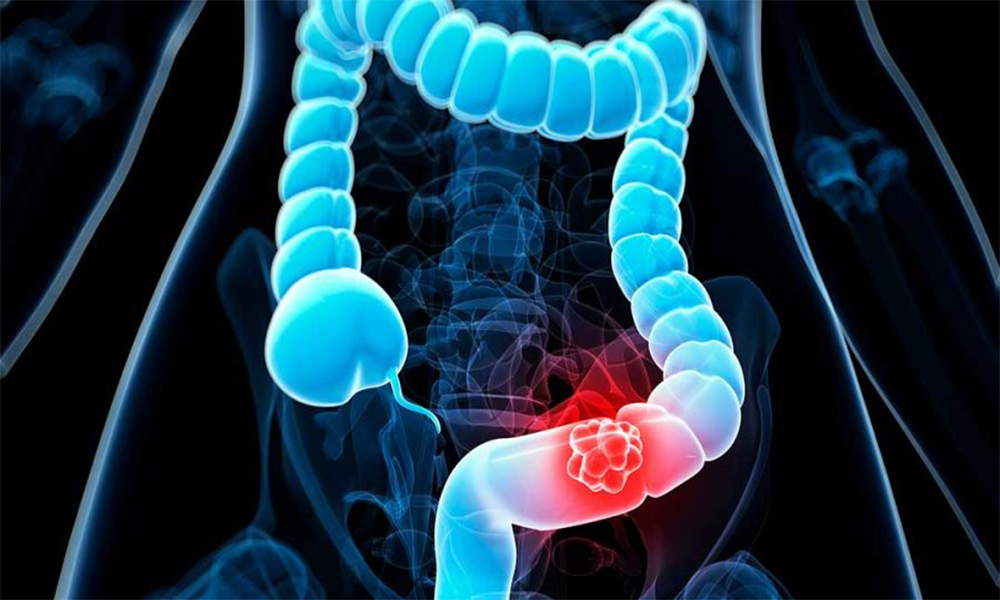
The treatment method varies depending on the stage of the disease, its spread and the patient's health status. Peritoneal cancer treatment It includes surgery, chemotherapy and targeted therapy. The combination of these treatment methods is determined according to the course of the disease.
Non-Surgical Peritoneal Cancer Treatment Methods
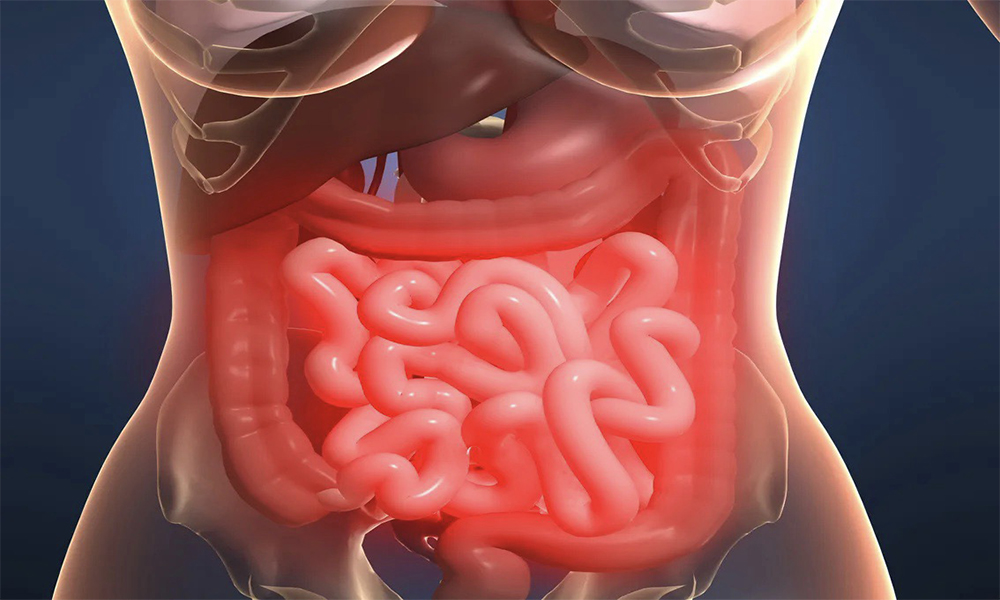
There are several different treatment methods that aim to control the disease. These methods are shaped according to the degree of spread of the disease, the health status of the patient and the characteristics of the tumor.
Systemic chemotherapy allows drugs to be administered intravenously throughout the body. This method targets tumor cells and attempts to slow their growth. Chemotherapy is used to destroy cancer cells. It can also help shrink tumors. This treatment method is widely preferred. It can also be applied together with other treatment options.
HIPEC, also known as hot chemotherapy, targets cancer cells directly in the peritoneal area. It can be preferred as an alternative treatment method for patients who do not require surgical intervention.
During hyperthermic chemotherapy, heated chemotherapy drugs are applied to the peritoneal cavity. This helps destroy cancer cells more quickly. HIPEC may be especially effective for advanced peritoneal cancers.
Targeted therapy targets proteins or genes that drive cancer cells to grow. It has less potential to damage healthy cells. Each patient's cancer type and cellular structure are different. Therefore, it is determined individually. It is usually combined with other treatment methods.
These non-surgical treatment methods, peritoneal cancer treatment It plays an important role in. These methods are preferred especially in cases where surgery is not suitable.
Surgical Peritoneal Cancer Treatment Methods
Surgical methods are used to control the spread of the disease in treatment. It is also widely preferred to remove cancerous tissues. Treatment is determined by the location of the cancer in the peritoneal cavity and the degree of spread. The general health status of the patient also shapes the treatment plan.
In cytoreductive surgery, cancerous tissues and tumors in the peritoneal cavity are removed. The aim is to reduce the tumor burden and provide a better response.
Because peritoneal cancer often spreads, cytoreductive surgery requires extensive intervention. It plays a critical role in stopping the progression of the tumor. This surgery can be performed in combination with other treatment options.
Post-surgical HIPEC is used after cytoreductive surgery. In this method, heated chemotherapy drugs are applied directly to the peritoneal cavity.
Heated chemotherapy targets cancer cells more effectively. It helps destroy small tumor cells that cannot be removed by surgery. HIPEC increases the success rate of treatment when combined with cytoreductive surgery.
Debulking surgery involves removing some or most of the peritoneal cancer tissue. This procedure is used when the tumor cannot be completely removed. Debulking reduces the tumor volume, which can help improve response to other treatments, such as chemotherapy.
These methods, peritoneal cancer treatment contributes to the cancerous tissue as much as possible. The patient's life expectancy and quality of life increase during the treatment process.
Peritoneal Cancer Post-Treatment Control and Follow-up Process
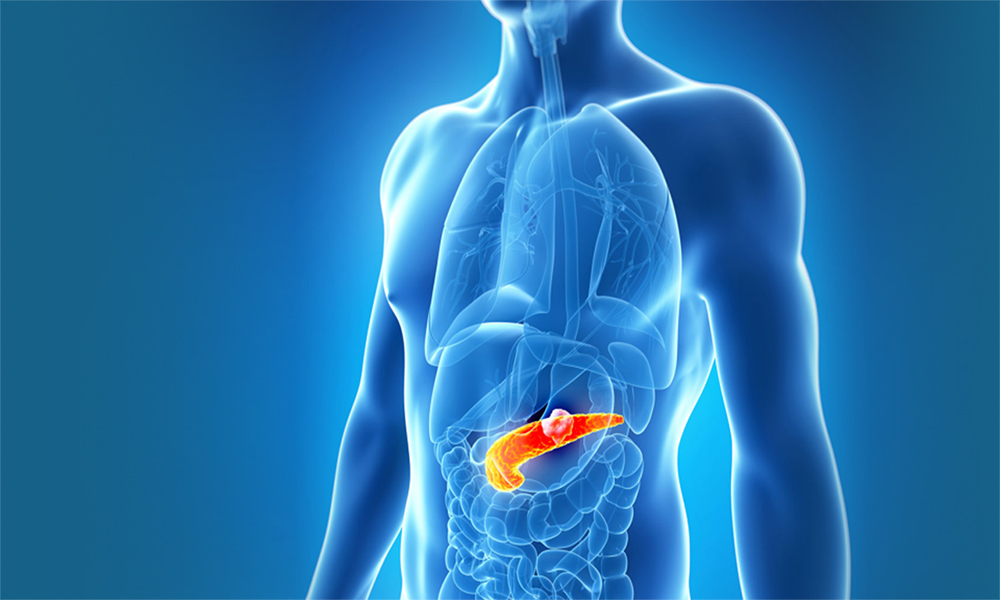
Peritoneal cancer treatment Regular check-ups and follow-ups are then essential to manage the risk of recurrence and monitor the patient's overall health.
This process is important for early detection of complications and maintaining quality of life. This process includes regular doctor visits to prevent recurrence of the disease. The follow-up plan is personalized according to the patient's type of treatment, stage of the disease and general health status.
The first year after treatment is the most critical period in terms of the risk of peritoneal cancer recurrence. During this time, doctors usually check you up every three to six months. Physical exams, blood tests, and tumor markers are monitored. Tumor markers such as CA-125 can help assess whether the cancer has come back.
To check for a recurrence of peritoneal cancer, imaging tests are done at regular intervals, including computed tomography (CT) and magnetic resonance imaging (MRI).
Imaging tests are used to look at tumors. They are also effective in evaluating new signs of cancer in the body.
The patient's feelings after treatment should be closely monitored. Any new symptoms should also be monitored carefully. Symptoms such as abdominal pain, digestive problems, or weight loss should be reported.
It is important for patients to receive psychological and social support during the follow-up process. It is useful to seek support groups or therapy to manage the stress and anxiety brought on by cancer treatment.
Peritoneal cancer treatment The post-treatment follow-up and control process is necessary to prevent recurrence of the disease. This process also ensures the preservation of the quality of life after treatment.
Comments are closed